

Mounjaro (tirzepatide) causes side effects in most people, especially in the first few weeks. The most common side effects are gastrointestinal symptoms: nausea, diarrhoea, vomiting, and constipation.
They usually ease as your body adjusts to each dose. Serious reactions are rare but can occur, and a small number of people should not take this medication at all.
This guide covers everything you need to know before or during treatment, from what to expect in the first 72 hours to how symptoms change over time, what the long-term picture looks like, and when you need to call a doctor. Read on for the full breakdown. For more information about our weight management services and how they can support your treatment goals, read on for the full breakdown.
Table of Contents
Most Common Mounjaro Side Effects

Nearly all side effects reported with Mounjaro are gut-related. Tirzepatide delays the rate at which your stomach empties. This can cause gastrointestinal symptoms, especially when treatment begins.
Here are the most frequently reported symptoms ranked by how often they occur:
- Nausea
- Diarrhoea
- Vomiting
- Constipation
- Abdominal pain
- Indigestion
- Bloating
- Burping or flatulence
- Fatigue
- Decreased appetite
| Side Effect | How Common? | Usually Serious? |
| Nausea | Very common | Usually no |
| Diarrhoea | Very common | Usually no |
| Vomiting | Very common/common (depends on indication) | Usually no |
| Constipation | Very common/common (depends on indication) | Usually no |
| Abdominal pain | Very common/common (depends on indication) | Usually no |
| Indigestion | Common | Usually no |
| Bloating | Common | Usually no |
| Burping/flatulence | Common | Usually no |
| Fatigue | Common | Usually no |
These side effects are unpleasant, but they are not a sign that something has gone wrong. Most people tolerate them well once they know what to expect.
Severe and Rare Side Effects (When to Seek Immediate Care)

Most people never experience these. But you should know what to watch for.
The main exclusion is thyroid cancer. Tirzepatide increased thyroid C-cell tumours in rodents at all doses. Its relevance to humans is uncertain. However, if you or a blood relative had medullary thyroid cancer or MEN2, this treatment is not allowed.
Pulmonary aspiration: Aspiration during surgery may happen because the medication can delay stomach emptying. Food can linger longer than expected. Stomach contents can sometimes enter the lungs during general anaesthesia or deep sedation. Notify your surgeon, anaesthetist, or endoscopy team about this treatment before the procedure.
Beyond the risk of thyroid cancer, the serious side effects to watch for include:
- Acute pancreatitis: Severe, persistent pain in your upper abdomen that spreads to your back. Stop using the medication and go to A&E.
- Gallbladder disease: Rapid weight loss increases the risk of gallstones. Symptoms include sharp pain under the right ribs, nausea, and fever.
- Gastroparesis: Severely delayed stomach emptying. This goes beyond normal sluggishness and includes persistent vomiting and an inability to keep food down.
- Acute kidney injury: This requires monitoring if you experience significant gastrointestinal effects leading to dehydration or electrolyte disturbances. Stay well hydrated and seek help if you cannot keep fluids down.
If any of these occur, do not wait. Contact your prescriber or attend urgent care immediately.
Note on benzyl alcohol: Benzyl alcohol is an ingredient in Mounjaro and may cause allergic reactions in some users.
When Do Mounjaro Side Effects Start?
Most people want a straight answer on this. Here it is.
Side effects typically begin within 24 to 72 hours after your first injection. They can also flare within the first day or two after a dose increase. The 2.5 mg starting dose is deliberately low to give your body time to adjust, but some people still feel nauseous even at that level.
The good news is that timing is predictable. Once you know your personal pattern, you can plan around it.
Long-Term Side Effects and Secondary Conditions

This section is worth reading carefully, because there is a difference between side effects caused directly by tirzepatide and the physical changes that come with losing weight quickly.
Muscle mass loss (sarcopenia)
Rapid weight loss can lead to the loss of muscle as well as fat. Without resistance training and adequate protein, a significant portion of weight lost can come from lean tissue. This can occur during rapid weight loss while taking GLP-1 medications.
Facial volume loss
often called “Ozempic face” in the press. It refers to the hollow, aged appearance some people develop after losing weight quickly from the face and neck. This is not a drug effect. It is a consequence of rapid fat loss.
Bone density changes
Caloric restriction can reduce calcium absorption and slow bone turnover. This is particularly relevant for postmenopausal women. Strength training and adequate calcium and vitamin D intake can help offset these effects.
These are not reasons to avoid Mounjaro. They are reasons to take it with proper clinical support.
How Long Do Mounjaro Side Effects Last?
For most people, the most severe side effects are temporary.
Mild gastrointestinal symptoms generally resolve within 2 to 4 weeks at any given dose level. Once your body has adapted, the nausea fades, and your gut settles into a new normal. The pattern tends to repeat briefly each time the dose steps up, then settles again.
A small number of people do experience persistent symptoms. If nausea or diarrhoea is still severe after four weeks at the same dose, speak to your prescriber. Dose reduction is sometimes the right clinical call.
Who Should Not Take Tirzepatide?

Some people should not use this medication at all. This is not a grey area.
- A current or previous eating disorder
- Severe kidney disease (stage 4 or 5) or severe liver disease
- Weight gain caused by another medical condition or by medication you are taking
- Concurrent use of another GLP-1 or weight loss medicine
- Personal or family history of Medullary Thyroid Carcinoma (MTC)
- Multiple Endocrine Neoplasia Syndrome Type 2 (MEN 2)
- Previous severe allergic reaction to tirzepatide or any of its ingredients
- Pregnancy or breastfeeding: Safety data in these groups is not available. Use effective contraception during treatment.
- Type 1 diabetes: This treatment is excluded on safety grounds.
- Severe gastrointestinal disease, including active Crohn’s disease or uncontrolled inflammatory bowel disease
A history of pancreatitis rules this treatment out. If pancreatitis develops during treatment, it is stopped and not restarted.
How to Manage Common Mounjaro Side Effects
Small changes to your routine make a real difference. These are the practical steps that work:
Diet
- Eat smaller, more frequent meals rather than two or three large ones
- Avoid high-fat, greasy, or spicy foods, especially in the first few weeks
- Eat slowly and stop before you feel full
- Cold or room-temperature foods are easier to tolerate than hot meals when nausea is bad
Hydration
- Aim for 2 to 2.5 litres of water per day (roughly 80 to 100 oz)
- Sip consistently throughout the day rather than drinking large amounts at once
- Electrolyte drinks can help if diarrhoea is significant
Injection timing
- Inject at night before bed. Many people sleep through the worst of the nausea this way.
- Rotate injection sites to avoid localised skin reactions
Protein intake
- Hit at least 1.2 g of protein per kilogram of body weight daily. Your prescriber will set a target that suits you.
- This is one of the most commonly overlooked steps in GLP-1 treatment
Does Mounjaro Cause Hair Loss?

This comes up constantly. The short answer is: Mounjaro itself does not cause hair loss. There is no direct chemical mechanism by which tirzepatide damages hair follicles.
Telogen effluvium occurs when hair sheds temporarily. This happens due to physical stress from quick weight loss and a lack of protein. When the body faces nutritional stress, it focuses on key functions. This causes hair follicles to enter a resting phase. The shedding that follows, usually 2 to 4 months after weight loss begins, occurs as follicles release old hairs before new ones grow.
Getting enough protein, iron, and zinc can greatly reduce the risk of hair shedding. The shedding is usually temporary.
Does Mounjaro Cause Side Effects After Every Injection?
Not forever, no. Early in treatment, yes, you may feel rough for a couple of days after each weekly injection. That is normal.
Symptoms typically peak 1 to 3 days post-injection and then fade. As your body builds tolerance to each dose level, the severity drops week by week. Most people find that by their third or fourth injection at the same dose, they barely notice it.
Some people do remain sensitive across the full treatment period, particularly to nausea. In those cases, anti-nausea medication prescribed by your doctor can help bridge the gap.
Will Side Effects Get Worse When I Increase the Dose?
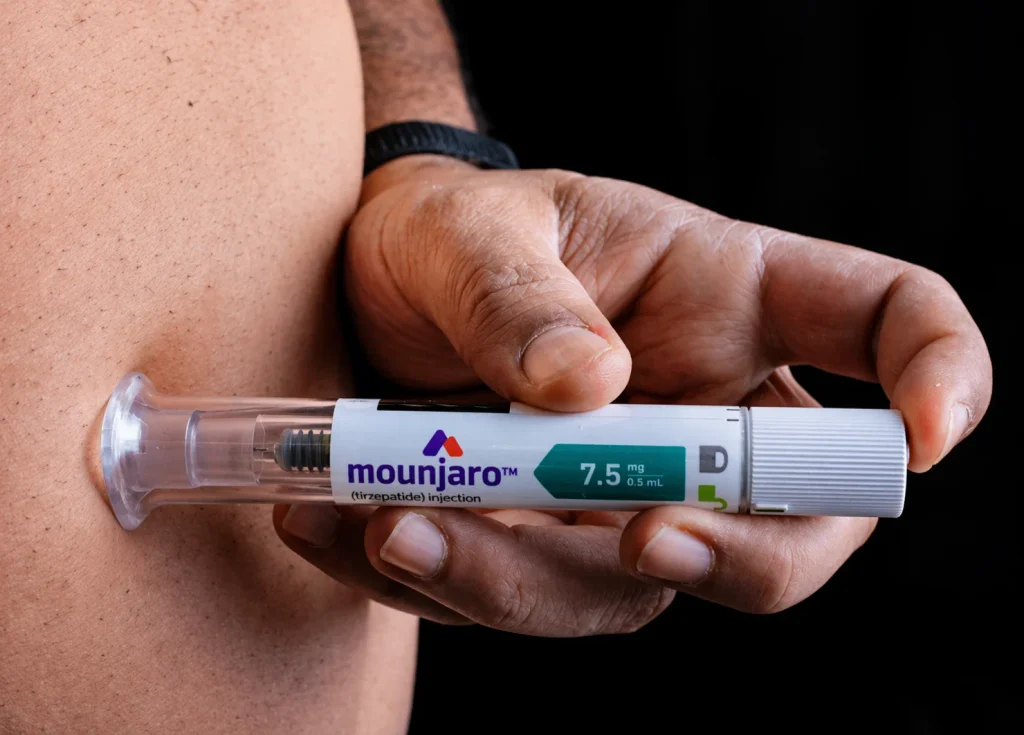
Yes, temporarily. That is expected, and it is part of how the dose titration works.
When stepping from one dose to the next, for example, from 2.5 mg to 5 mg, a short-term spike in GI symptoms is very common. This is not a sign that you cannot tolerate the higher dose. It is your gut adjusting again. The pattern is the same as when you first started: a few weeks of discomfort, and then the symptoms settle.
Going slowly through the titration schedule matters. Do not rush to increase the dose. The standard Mounjaro titration increases every four weeks, and that pacing exists for a reason.
Dose increases happen in 2.5-mg increments, with at least four weeks between each increase. If side effects continue, it is a valid choice to stay at the current dose longer.
Can You Stop Mounjaro Because of Side Effects?
Yes. Stopping is physically safe. There is no withdrawal syndrome in the traditional sense.
That said, always speak to your prescriber before stopping. If you have type 2 diabetes, stopping suddenly can cause your blood sugar to spike. This is especially true if Mounjaro was effectively managing your glucose levels. For users managing their weight, appetite often comes back quickly after stopping. Without lifestyle changes, weight regain is common.
If side effects are the reason you want to stop, a temporary dose reduction is often a better first step. Many people who find a higher dose unmanageable do well on a lower one.
FAQs
Can Mounjaro cause anxiety or mood changes?
Mood changes are not a listed side effect. Some people feel low while adjusting. This might be due to changes in eating habits and social routines around food.
Is it safe to drink alcohol while taking Mounjaro?
Alcohol is not banned, but it does irritate the gut and can worsen nausea significantly. Drinking also adds empty calories that work against weight loss goals.
Can Mounjaro affect your menstrual cycle?
Some women notice changes in their cycles. They may find their periods become more regular, especially if they had irregular ones due to insulin resistance. Rapid weight loss can also temporarily disrupt cycles in some cases.
Does Mounjaro interact with the contraceptive pill?
Yes, and this matters. If you take the oral contraceptive pill, use condoms as well, or switch to a non-oral method such as the coil or implant, for four weeks after you start and for four weeks after every dose increase. Dose increases happen roughly monthly at first.
Can Mounjaro cause low blood sugar in people without diabetes?
Hypoglycemia rarely happens in non-diabetic users. This is because tirzepatide only boosts insulin when food is present. Skipping meals on Mounjaro isn’t a good idea. It can sometimes lead to dizziness or lightheadedness.
Conclusion
Mounjaro is a helpful medication, but it has side effects you should know about before starting. For most people, the gastrointestinal symptoms are manageable and temporary. The serious risks are rare. Long-term changes like muscle loss, bone density loss, and facial volume loss mostly depend on how fast you lose weight, not just on the drug.
Managing your diet, protein intake, hydration, and injection timing makes a genuine difference. These are not optional extras. They are part of using the medication properly.

Dilip Modhvadia is the Co-Founder and Superintendent Pharmacist at Easy Pharmacy, with over 20 years of experience in community pharmacy. He holds an MPharm and is registered with the GPhC (Reg. No. 2050606). He leads Easy Pharmacy’s clinical services, providing professional, patient-focused care.