

Yes, physical activity is a crucial component of treatment from your very first dose. Regular movement helps with weight loss, boosts energy, and keeps lean muscle. This is especially important as your appetite drops.
This guide outlines effective exercise strategies, safe intensity levels, and key safety considerations while using weight loss injections.
Table of Contents
Starting Physical Activity from Your Very First Dose
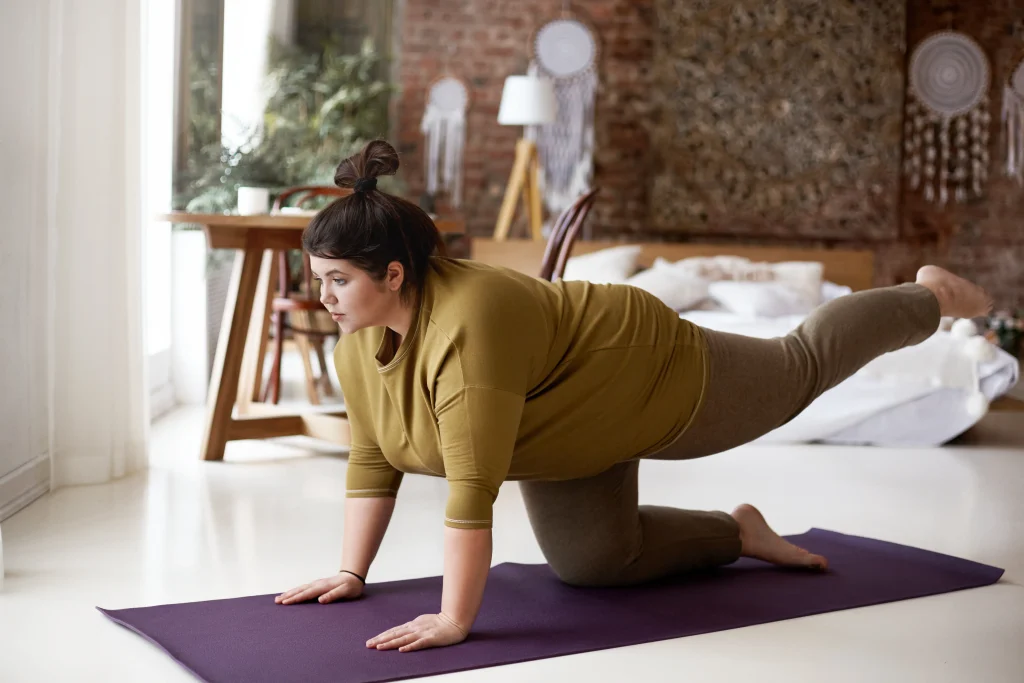
You don’t need to wait for all drug side effects to fade before starting movement. Guidelines from NICE say that weight management meds should be used with a lower-calorie diet and more physical activity. Clinical trials support this combined approach.
In your first week, focus on low-impact activities instead of intense workouts. A brisk 10-15 minute walk after meals can help manage blood sugar and aid digestion. Simple changes, like taking the stairs or parking farther away, boost your daily activity.
Waiting to exercise until you hit a weight goal can cause delays. The early treatment phase is when weight loss is fastest, so starting movement right away helps maintain muscle and bone density.
Understanding the Critical Role of Exercise During Rapid Weight Loss
Distinguishing between weight loss and body composition is crucial. Effective weight loss means reducing body fat while preserving lean tissue. In a calorie deficit, the body uses both fat and muscle for energy. GLP-1 medications can reduce appetite but don’t prevent muscle loss without exercise.
Data from DEXA scans in major clinical trials show that lean body mass can make up a significant share of total weight lost on GLP-1 therapies without exercise. This loss can lead to functional issues and metabolic drawbacks.
Skeletal muscle is vital for mobility, stability, and metabolism. Losing muscle leads to weakness and instability. This also raises the risk of injury, particularly for older adults. Maintaining muscle helps you feel stronger while losing weight.
Muscle also drives your basal metabolic rate (BMR). Losing muscle slows down metabolism. This makes weight loss harder and raises the risk of quickly regaining weight if treatment changes.
The Best Exercise to Do on Weight Loss Injections
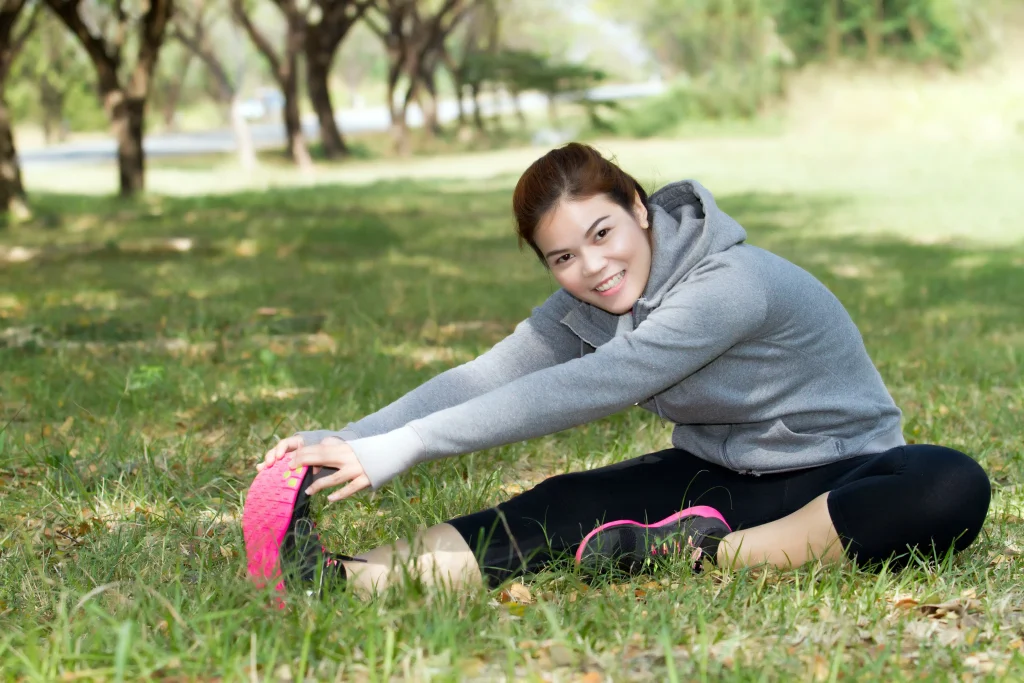
A balanced routine includes resistance training to keep muscle mass and steady aerobic exercise for heart and mental health.
Strength Training Twice a Week
Do resistance exercises twice a week on non-consecutive days. Cardio, like walking or cycling, burns calories but doesn’t maintain muscle during a calorie deficit.
You don’t need a gym for effective muscle stimulation. Use resistance bands, free weights, household items, or bodyweight exercises (squats, push-ups, lunges, glute bridges). Target major muscle groups with 2-3 sets of 8-12 controlled reps.
To progress, apply progressive overload: increase resistance, add reps, or slow down as exercises become easier.
Gentle Cardio and Daily Steps
Follow health guidelines like the NHS’s advice to get at least 150 minutes of moderate aerobic activity weekly. Choose low-impact exercises, like brisk walking, swimming, or cycling. These activities protect your joints and support heart health.
Focus on steady, low-to-moderate activities. Avoid high-intensity workouts, especially early in treatment. Your energy levels may vary during this time. Moderate cardio helps your heart, controls blood sugar, and boosts your mood. It does this without stressing your nervous system or causing hunger spikes.
Can You Exercise While Using Weight Loss Injections on Injection Day?
Yes, physical activity is safe on injection days, though many individuals prefer lighter movement. Side effects like nausea and fatigue usually peak 24 to 48 hours after a dose. So, it’s a good idea to adjust your training schedule based on how you feel.
Structuring your weekly workout schedule around these symptom fluctuations can improve consistency. If you take your dose on Sunday evening, plan for light walks on Monday and Tuesday. Schedule core strength training for Wednesday and Friday. Then, enjoy active recreation over the weekend.
Many people think that exercising the limb or area where a subcutaneous injection was given changes how fast the drug is absorbed. Clinical data shows that local physical activity does not significantly change how the body processes subcutaneous GLP-1 injections. Base your activity choices entirely on your energy levels and comfort.
Nutritional and Hydration Strategies for Active Patients

Patients on weight loss injections often struggle to get enough nutrients due to reduced appetite. Exercising while undernourished can cause muscle loss and fatigue.
Protein protects muscle while you lose fat. The right amount depends on your weight and your target, so ask at your consultation rather than working to a number from a webpage. Spread it across three or four small meals. If you have kidney problems, this needs checking with your prescriber first.
If solid foods don’t sound good, try easy-to-digest options. Choose Greek yoghurt, cottage cheese, eggs, lean meats, fish, tofu, edamame, or protein shakes. These are nutrient-dense and simple to eat.
Stay hydrated, as GLP-1 medications can reduce thirst. Drink plenty of water and consider electrolytes during exercise or hot weather to avoid dehydration and its side effects.
Signs You Should Stop Exercising
Listen to your body and pause physical exertion if you experience adverse symptoms. Seek prompt medical advice if you notice any warning signs.
Stop exercising and call a healthcare professional right away if you have:
- Severe abdominal pain, especially if it spreads to your back.
- Persistent vomiting.
- Extreme dizziness or lightheadedness.
- A rapid heart rate.
- New chest pain or shortness of breath.
Important Contraindications & Precautions

Weight loss injections are strictly contraindicated during pregnancy and breastfeeding. Furthermore, GLP-1 treatments cannot be supplied to anyone with a current or past eating disorder.
If you take the oral contraceptive pill alongside Mounjaro, use condoms as well, or switch to a non-oral method, for four weeks after starting and four weeks after every dose increase. If you are planning a pregnancy, stop the medication at least one month beforehand for Mounjaro, or two months for Wegovy, and talk it through with your prescriber first.
If you also take insulin or a sulfonylurea for diabetes, exercise can push your blood sugar low. Check before and after sessions, and carry something sugary with you.
If you feel tired or weak for several days, see a doctor. This often means you might not be getting enough calories or nutrients.
Frequently Asked Questions
How does exercise impact GLP-1 side effects like nausea?
Light activity, like walking, helps digestion and speeds up gastric motility. This can greatly reduce mild nausea and bloating from GLP-1 medications. However, intense exertion immediately after eating may worsen gastrointestinal symptoms.
Should I adjust my exercise intensity while on GLP-1 medications?
Because GLP-1 treatments can slightly elevate resting heart rate and reduced calorie intake lowers energy availability, monitor your rate of perceived exertion. Aim for moderate intensity where you can comfortably speak, avoiding maximal exertion until fully acclimated.
What is the best time of day to exercise when managing low energy?
Exercise during your peak daily energy windows, typically in the morning or several hours after a high-protein meal or shake. This ensures adequate blood glucose and glycogen levels, preventing sudden fatigue or lightheadedness during your workout.
How can I prevent low blood sugar during workouts if I have diabetes?
Check blood glucose levels before and after exercise. This is important if you take insulin or sulfonylureas with GLP-1s. Carry fast-acting carbohydrates like glucose gels or juice, and consult your physician about adjusting medication dosages for planned physical activity.
How does strength training affect long-term weight maintenance after stopping injections?
Strength training keeps your lean muscle mass high. This helps maintain an elevated basal metabolic rate. This metabolic advantage prevents rapid weight regain and supports long-term fat loss stability after discontinuing or reducing your GLP-1 injection dosage.
Conclusion
Exercise is part of the treatment rather than an optional extra. Start light in the first week, build resistance work in twice a week as you settle, and plan around how you feel rather than to a fixed schedule.
The reason it matters is muscle. These medicines help you eat less, but they don’t control what your body uses for energy. If you’re not careful, a lot of the weight you lose may be from lean tissue. Strength training and enough protein are what stop that happening.
If you are on a weight management programme with us and want to talk through what activity suits you, come in and ask.