

Yes. Prescription weight loss injections such as Mounjaro (tirzepatide) and Wegovy (semaglutide) lower blood pressure in most people who respond to them.
In clinical trials, tirzepatide lowered average 24-hour systolic blood pressure by about 7 to 11 mmHg. This was observed over 36 weeks in ambulatory monitoring substudies. Semaglutide produced average systolic falls of roughly 3 to 6 mmHg across major clinical trials.
Statistical analysis shows that about two-thirds of the drop is due to weight loss itself. The rest comes from actions on blood vessels, less inflammation, and how the kidneys manage salt.
The drop is real, but it is not automatic, and it is not a reason to stop your blood pressure tablets. This detail explains how quickly it happens, what to know if you’re on lisinopril or amlodipine, and the signs that your blood pressure is too low.
If you’re also looking for professional support with weight-related goals, visit our weight management services page to see how we can help.
How Weight Loss Lowers Blood Pressure

Carrying extra weight makes your heart work harder. More body tissue means more blood vessels to supply, so your heart pumps a larger volume with every beat.
Excess fat tissue also raises activity in the sympathetic nervous system. That keeps blood vessels narrower than they need to be and pushes pressure up.
There is a third factor that gets less attention. Fat tissue, especially around the abdomen, drives the body to hold on to sodium and water, which increases the volume in your circulation.
Lose weight, and all three pressures ease at once. Clinical studies show that losing weight can lower systolic blood pressure by about 1 mmHg for each kilogram lost. The more weight you lose, the greater the improvement.
That is why a medically supervised weight loss service often improves blood pressure readings before anyone changes a single tablet. At Easy Pharmacy in Ashford, blood pressure is checked as part of the review process, not left to chance.
How GLP-1 Medications Affect Blood Pressure Directly
Weight loss accounts for most of the decrease in blood pressure, but direct physiological effects also play a key role. Statistical studies show that about 70% of blood pressure reduction comes from weight loss. The other 30% is due to the medication’s direct effects on the heart and blood vessels.
The remaining third comes from the medication acting on the cardiovascular system itself. Three mechanisms matter most.
Sodium excretion by the kidneys
GLP-1 receptors are present in the kidney tubules. Activating them reduces sodium reabsorption, so more salt leaves the body in urine.
Less sodium retained means less fluid held in the circulation. This is a mild, natural version of what a thiazide diuretic does.
Better blood vessel function
GLP-1 medicines improve how the inner lining of your blood vessels functions. This delicate inner layer helps control how easily your arteries expand and contract.
When this inner lining is healthier, blood vessels relax more easily and arterial stiffness decreases. Flexible arteries allow blood to flow with less resistance, reducing pressure on vessel walls.
Lower systemic inflammation
Obesity keeps the body in a low-grade inflammatory state, which damages vessel walls over time. In the SELECT trial, semaglutide cut C-reactive protein by around 37 per cent.
Reducing that inflammatory load helps arteries stay flexible. It also explains why some cardiovascular benefit appears earlier than the weight loss alone would predict.
One effect runs the other way. GLP-1 medicines raise resting heart rate by roughly 2 to 5 beats per minute, even while blood pressure falls. This is expected and is monitored during treatment.
Which Weight Loss Medications Lower Blood Pressure?
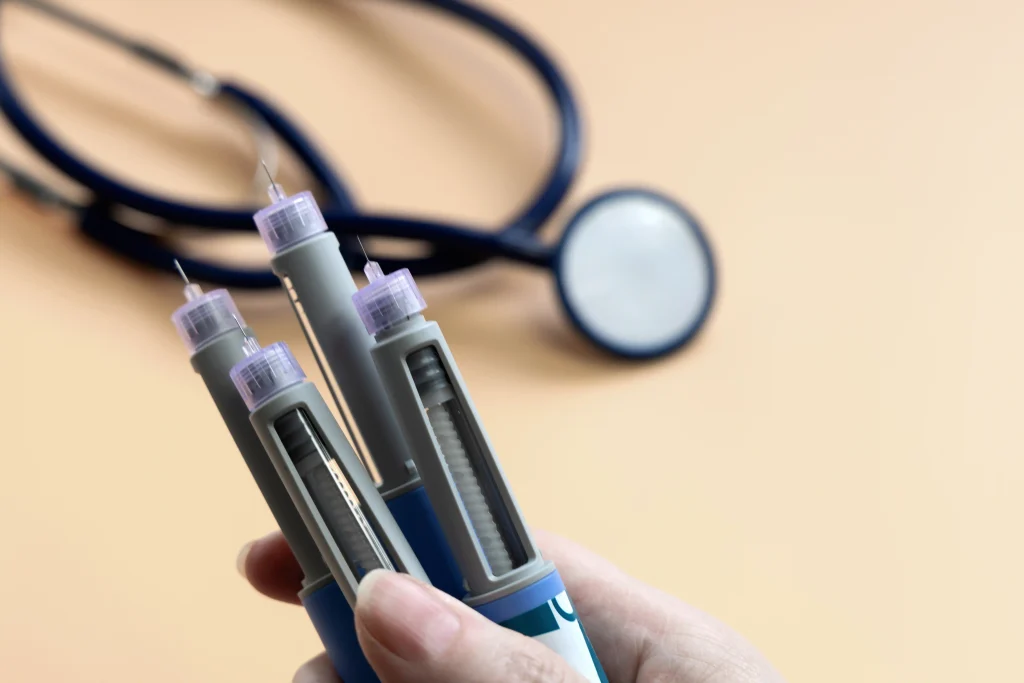
Both top injectable treatments have shown clear benefits for blood pressure in major studies. Tirzepatide (Mounjaro) works on both GIP and GLP-1 receptors. Semaglutide (Wegovy) only targets GLP-1 receptors.
In clinical studies, Mounjaro showed 24-hour average systolic reductions of 7.4 mmHg to 10.6 mmHg at 36 weeks, depending on the dose. Over 72 weeks, the average reduction settled at 6.8 mmHg. Wegovy showed average systolic reductions of 3 to 6 mmHg in the STEP clinical programme and the SELECT outcome trial.
Mounjaro (tirzepatide)
The best blood pressure data for tirzepatide comes from the SURMOUNT-1 ambulatory monitoring study. Participants wore a cuff for a full 24 hours at baseline and again at week 36.
Placebo-adjusted systolic reductions were 7.4 mmHg at 5 mg, 10.6 mmHg at 10 mg and 8.0 mmHg at 15 mg. Daytime and nighttime readings both improved.
Night-time readings matter more than most people realise. They predict cardiovascular death better than daytime numbers do.
Across the full 72-week trial, the net reduction settled at 6.8 mmHg systolic and 4.2 mmHg diastolic against placebo. Most of the fall happened in the first 24 weeks, then held steady.
Wegovy (semaglutide)
Semaglutide produces a smaller but consistent reduction. STEP 1 reported around 6.2 mmHg systolic over 68 weeks, while SELECT found systolic pressure 3.4 mmHg lower than placebo.
SELECT is the more important trial for heart health. In over 17,600 patients with heart disease, semaglutide reduced major cardiovascular events by 20%.
That benefit was not explained by blood pressure alone. Wegovy helps with weight, inflammation, lipids, and glucose control. That’s why it now has a cardiovascular risk reduction indication.
Mounjaro tends to produce larger falls, largely because it produces more weight loss. That does not make it the right choice for everyone, and the decision should be based on your full medical history.
Can It Lower Your Blood Pressure Too Much?
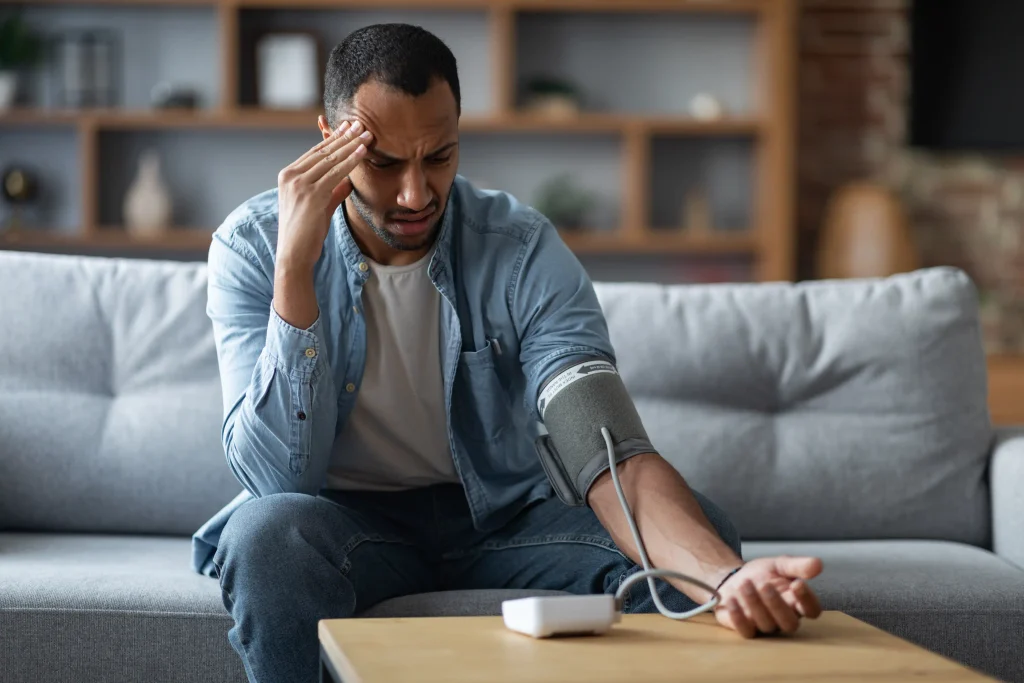
It can, but it is uncommon. In SURMOUNT-1, low blood pressure events were infrequent, though the rate was higher on tirzepatide than on placebo.
The risk sits mainly with two groups. People on antihypertensive tablets may get dehydrated. This can happen due to nausea, vomiting, or diarrhoea in the first weeks of treatment.
Dehydration is the more common trigger. GLP-1 medicines slow down stomach emptying and cut appetite. As a result, people often drink less without realising it.
Low blood pressure tends to show itself as lightheadedness when you stand up quickly. Some people feel washed out, foggy or unusually tired instead.
Readings below 90/60 mmHg with symptoms need attention. A low reading with no symptoms at all is usually less concerning, but it still needs reporting at your next review.
Taking Weight Loss Medication Alongside Blood Pressure Tablets
Having high blood pressure does not rule you out of treatment. Most people prescribed Mounjaro or Wegovy in the UK already take at least one antihypertensive.
The combination is safe and is managed routinely. Tirzepatide and semaglutide do not directly interact with common blood pressure meds. These include lisinopril, ramipril, amlodipine, and losartan.
GLP-1 receptor agonists delay gastric emptying. This can change how fast oral medications enter the bloodstream. This effect is especially noticeable when starting treatment or increasing doses.
The issue is additive effect, not interaction. As your weight falls, your existing tablets start working on a body that needs less help, so the same dose can become too strong.
Diuretics need the most care. Water tablets like indapamide or furosemide lower fluid volume. If you add vomiting or not drinking enough, blood pressure can drop fast.
If you have severe stomach issues, like vomiting or diarrhoea, when you increase your weight loss medicine, your birth control pills may not be absorbed properly. You might need to use another barrier method, like condoms, if you’re sick or for 7 days after serious digestive issues.
Will I be able to stop my blood pressure tablets?
Some people do reduce or stop theirs. A sustained 10 to 15 per cent loss of body weight can take a borderline reading back into normal range.
But this is a clinical decision, not a personal one. Stopping antihypertensive medication on your own can raise blood pressure quickly. Some tablets also help protect the kidneys or heart, not just lower blood pressure.
Bring your home readings to your GP or prescriber. If the numbers support a dose reduction, they will usually step it down gradually and recheck.
Monitoring Your Blood Pressure While on Treatment
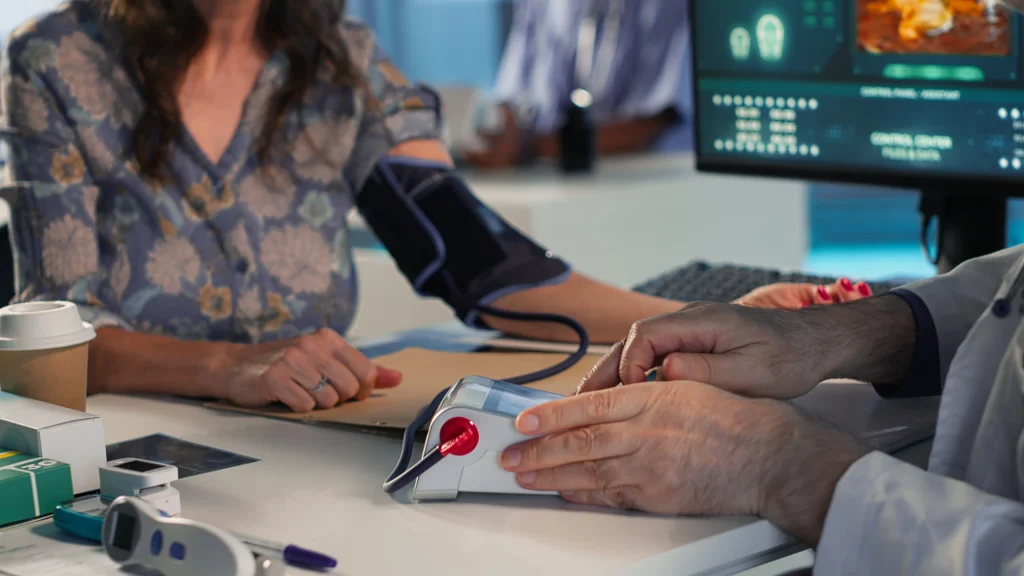
Home monitoring is the single most useful thing you can do during the first few months. Clinic readings are too infrequent to catch a gradual downward drift.
Buy an upper arm cuff validated by the British and Irish Hypertension Society. Wrist and finger monitors are far less reliable and are not recommended for treatment decisions.
Take your readings at the same time each day, ideally in the morning before any medication. Sit quietly for five minutes first, with your back supported and your arm at heart level.
Take two readings a minute apart and record the second one. Do not round the numbers or skip the ones you dislike.
Keep a simple log with the date, time, systolic, diastolic and pulse. A notes app or a paper sheet both work fine.
Check more often during dose increases. Each step up in your weight loss medication is a point where nausea, reduced intake and falling weight can all land at once.
Bring the full log to every review. Several weeks of home data tells your prescriber far more than one reading taken in a consultation room.
When to Speak to Your Prescriber or Pharmacist

Contact your healthcare team if you notice any of the following.
- Dizziness or lightheadedness when standing up, especially if it happens repeatedly
- Fainting or near-fainting at any point
- Home readings consistently below 90/60 mmHg
- Ongoing tiredness, weakness or difficulty concentrating that is new since starting treatment
- Signs of dehydration, including dark urine, dry mouth, passing very little urine, or vomiting that lasts more than 24 hours
- Blurred vision or unusual breathlessness
- Any reading that worries you, high or low
Do not adjust your blood pressure tablets or your weight loss dose on your own. Any dose changes should be discussed with your GP, prescribing doctor, or pharmacist. They can review your full medication list and health history.
If you suspect you are experiencing a side effect from your medication, you can also report it directly via the MHRA Yellow Card scheme (yellowcard.mhra.gov.uk or via the Yellow Card app).
If you are an Easy Pharmacy patient, our team can check your blood pressure in person and review your readings with you. You can reach Easy Pharmacy at Unit 11, Littleton Rd, Ashford TW15 1UU, call us on 01784 613239, or visit our website at theeasypharmacy.co.uk.
FAQs
Does Mounjaro or Wegovy raise my heart rate?
Yes, slightly. Both raise resting heart rate by roughly 2 to 5 beats per minute, which is a known class effect of GLP-1 medicines.
For most people this causes no problems and settles with time. Tell your prescriber if you develop palpitations or a persistently racing pulse.
Will my blood pressure go back up if I stop the medication?
Usually, yes, if the weight returns. The blood pressure benefit is tied to the weight loss being maintained and to the medication continuing.
This is why stopping treatment should be planned rather than abrupt. A maintenance plan covering diet, activity and monitoring makes a rebound less likely.
Can I start treatment if my blood pressure is not yet controlled?
Uncontrolled hypertension is normally stabilised first. Most prescribers want readings reasonably settled before adding a medication that will change your fluid balance and weight.
That does not mean waiting months. Many people are started once their antihypertensive dose has been stable for a few weeks.
Is tirzepatide better than semaglutide for blood pressure?
Trial figures favour tirzepatide, mostly because it produces greater weight loss. Head-to-head blood pressure trials in people with hypertension are limited.
Choice should rest on tolerance, cost, other health conditions and availability, not on blood pressure numbers alone.
How often should I check my blood pressure during dose increases?
Daily for the first week after each step up is sensible, then back to three or four times a week. Keep the same time of day throughout.
Add extra checks on any day you feel dizzy or have been vomiting.
Does the pharmacy blood pressure check count as a proper reading?
Yes. The NHS blood pressure check service uses validated equipment and trained staff, and the result goes to your GP record where appropriate.
It is a useful cross-check against your home monitor, particularly if your readings at home look unusually high or low.
Do I need to drink more water on these medications?
Most people do. Reduced appetite often means reduced fluid intake, and that alone can cause dizziness that gets blamed on low blood pressure.
Aim for regular sips through the day rather than large amounts at once, which can worsen nausea.
Conclusion
Weight loss medication does lower blood pressure, and the effect is large enough to matter clinically. Clinical trials show that tirzepatide reduces systolic pressure by about 7 to 11 mmHg in 24-hour monitoring studies. In comparison, semaglutide shows reductions between 3 and 6 mmHg.
About two-thirds of the drop comes from weight loss. The rest results from changes in sodium handling, blood vessel function, and inflammation.
The caution is the same in both directions. Long-term data on people with poorly controlled hypertension is still limited. Falling weight, current antihypertensives, and dehydration from treatment can lower blood pressure more than usual.
Monitor at home, keep a log, and let your prescriber make the call on your tablets. Talk to the Easy Pharmacy team before changing your weight loss injection.

Dilip Modhvadia is the Co-Founder and Superintendent Pharmacist at Easy Pharmacy, with over 20 years of experience in community pharmacy. He holds an MPharm and is registered with the GPhC (Reg. No. 2050606). He leads Easy Pharmacy’s clinical services, providing professional, patient-focused care.