

There is no formal ban on alcohol while taking Mounjaro (tirzepatide). The patient leaflet does not list alcohol as a drug interaction. But alcohol and Mounjaro affect the same parts of the body, so drinking can make side effects worse.
Both can pull your blood sugar down. Both can upset your stomach. Both put pressure on the pancreas. Most prescribers suggest keeping alcohol low or skipping it altogether in the first days after an injection.
If you do drink, stay within the UK guideline of 14 units a week, eat beforehand, and never drink on an empty stomach.
The detail below matters more than the headline. How much you can safely drink depends on your dose, your other medicines, and how your body has handled the jab so far. For personalised support with weight-loss treatment, visit our Pharmacy.
What research says about alcohol and Mounjaro
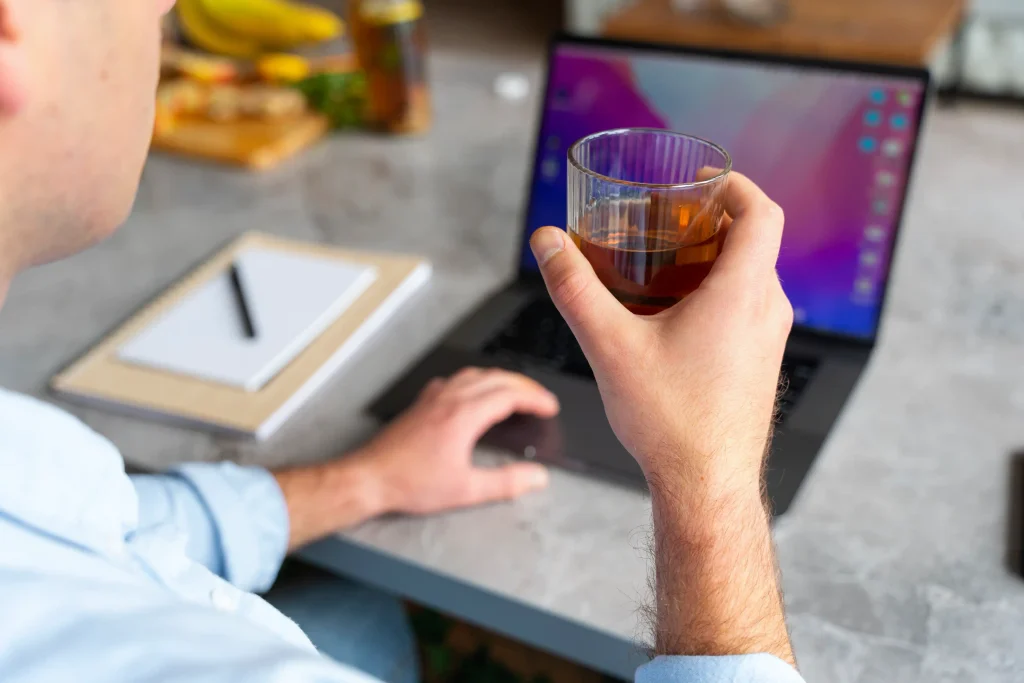
The direct evidence is thin. Tirzepatide has not been studied in trials designed to test what happens when people drink it. Most of what we know comes from how each substance behaves on its own.
The UK Summary of Product Characteristics for Mounjaro does not name alcohol as an interacting substance. Some national regulators are more direct about it. Australian prescribing information advises patients to inform their doctor about alcohol use. Alcohol can mask low blood sugar symptoms or even worsen them.
What the Mounjaro documentation does flag is relevant here. Acute pancreatitis has occurred in patients using tirzepatide. Some cases were severe or even fatal after the drug’s launch.
The same documents say tirzepatide has not been studied in people with a history of pancreatitis and should be used with caution in that group. Alcohol happens to be one of the leading causes of acute pancreatitis in the UK.
Put those two facts side by side, and the reason for caution becomes obvious. The position is not “never drink”. It is closer to “drink less, drink carefully, and know which symptoms mean stop”.
Risks of drinking alcohol while on Mounjaro
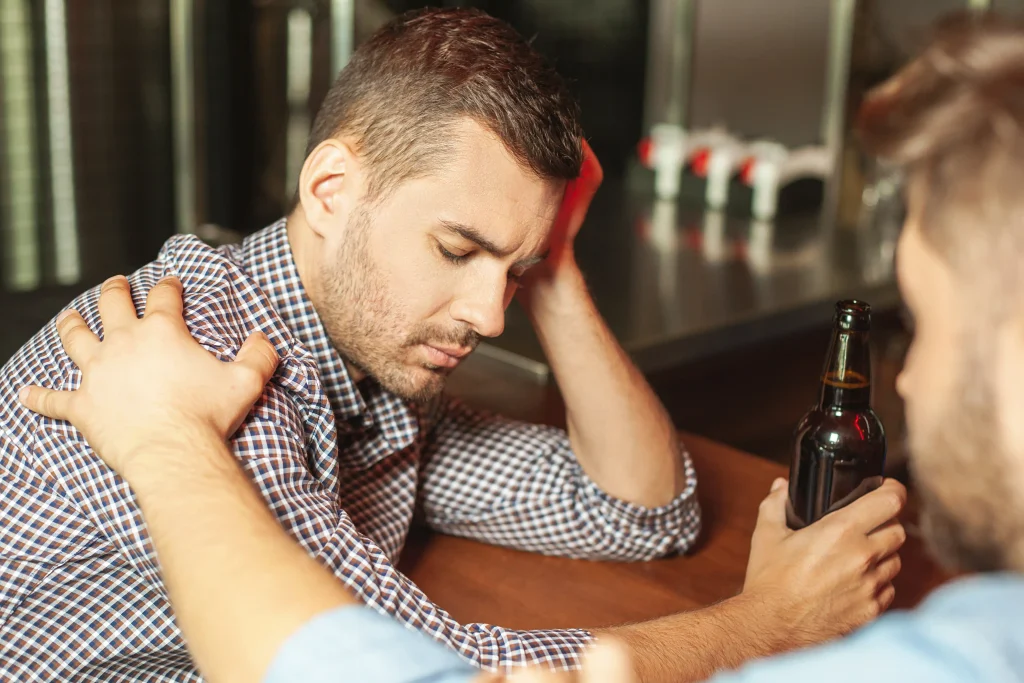
The problem is overlap. Mounjaro slows your stomach, trims your appetite and lowers blood glucose. Alcohol irritates your gut, dehydrates you and interferes with how your liver releases glucose.
Separately, your body copes. Together, the effects stack up. Patients who drink the same amount they always did often feel far rougher than they expect.
How alcohol may affect blood sugar
Your liver has a day job of releasing stored glucose between meals. When you drink, it drops that job and clears the alcohol first. Blood sugar can fall as a result, sometimes hours later, often overnight.
On its own, tirzepatide rarely causes low blood sugar in people without diabetes. The picture changes if you take other glucose-lowering medicines. People taking tirzepatide with insulin or a sulphonylurea like gliclazide are at a greater risk of hypoglycemia. Under PGD 4.1, tirzepatide can’t be given with insulin or sulphonylureas for weight management. This is because it can cause severe hypoglycemia.
Add alcohol to that combination, and the risk climbs again. A few drinks can also mask the early warning signs. Shakiness, confusion and slurred speech look a lot like being tipsy, so a real hypo gets missed.
If you have type 2 diabetes and you plan to drink, test your levels before bed. Eat something with slow-release carbohydrate first.
Nausea, vomiting, and other digestive effects
Nausea is the most common Mounjaro side effect, and it tends to spike in the two or three days after a dose. Mounjaro slows gastric emptying, so food sits in your stomach longer than usual.
Alcohol lands in that already sluggish stomach and stays there. It irritates the stomach lining and relaxes the valve at the top of the stomach, which is why reflux and heartburn get noticeably worse.
Patients describe one glass of wine hitting like three. Fizzy drinks make bloating worse again, so beer, prosecco and mixers tend to be the biggest offenders.
Vomiting after drinking is not just unpleasant on this medication. It leaves you dehydrated at a time when you are probably eating less anyway.
Dehydration and pancreatitis considerations
Alcohol is a diuretic, so it pushes fluid out. Mounjaro can cause vomiting and diarrhoea, which do the same thing. Together, they can leave you dehydrated. Dehydration can lead to kidney issues, especially for those on GLP-1 medicines.
The pancreas is the bigger worry. Heavy drinking is a well-known trigger for acute pancreatitis, and tirzepatide carries its own small risk. Stacking two triggers is not a sensible gamble. Tirzepatide is not allowed for patients with a personal or family history of acute or chronic pancreatitis, according to PGD 4.1 guidelines.
Binge drinking causes more harm here than a single glass with dinner. Saving up your weekly units for one heavy Saturday night is the exact pattern to avoid.
Factors that may increase risk
Not everyone carries the same level of risk. These things tip the balance:
- Drinking on an empty stomach. Appetite suppression means many patients skip meals without noticing, which speeds up alcohol absorption.
- The first days after a dose increase. Side effects are usually strongest while your body adjusts to a higher strength.
- Taking insulin or a sulphonylurea. The relief is real and well documented.
- Being older. Alcohol is cleared more slowly, and dehydration is harder to recover from.
- Existing liver, kidney, gallbladder or pancreas problems. Your prescriber may advise avoiding alcohol completely.
- Being early in treatment. You have no track record yet of how you react.
- Medicines that cause drowsiness. Sedating medicines and alcohol are a poor mix at any time.
Alcohol and your weight loss goals
Here is the part people underestimate. Alcohol gives you around 7 calories per gram, which sits just under pure fat, and none of it feeds your body anything useful.
A pint of standard lager is roughly 180 calories. A large glass of red wine is around 220. Three rounds on a Friday can quietly undo a week of careful eating.
Your liver also treats alcohol as a toxin to clear first. While it does that, fat burning pauses. You are not losing ground forever, but you are pressing pause on the process you are paying for.
Then there is the behaviour side. Alcohol lowers inhibitions and sharpens appetite, which is why a chip shop at 11 pm feels so reasonable at the time. Mounjaro keeps appetite quiet, and a few drinks can turn it back on.
Alcoholic drinks can quickly use up the calories you save during treatment.
Does Mounjaro stop alcohol cravings?
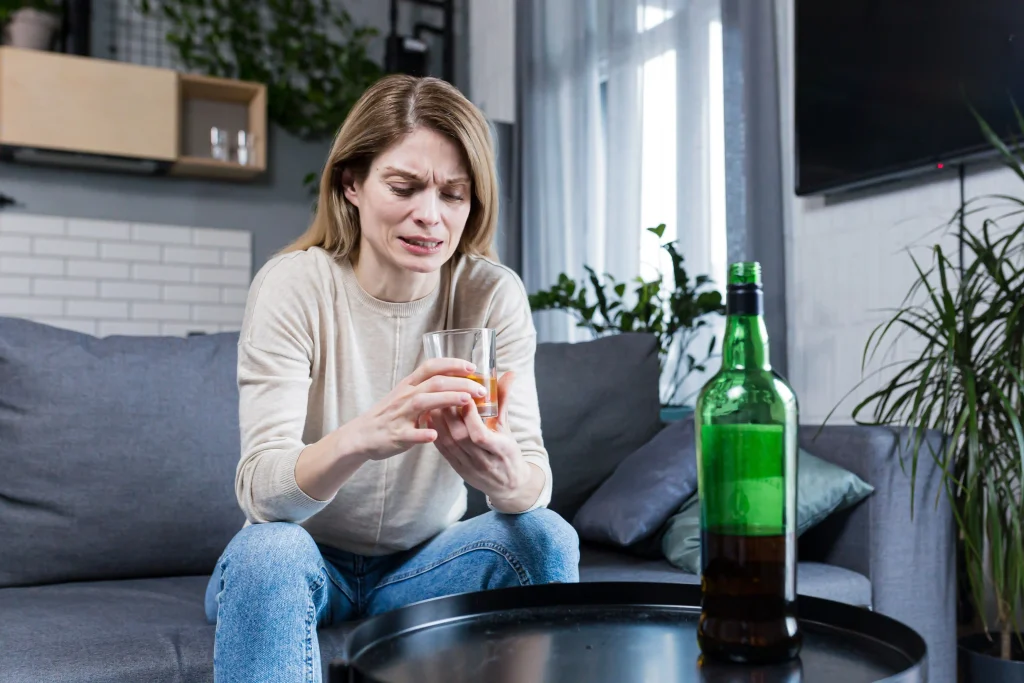
Plenty of patients report that they simply fancy a drink less. Wine loses its pull, the second pint stops appealing, and some people drift into drinking nothing at all without really deciding to.
The science is catching up with those reports. Researchers at the University of Gothenburg shared findings in early 2026. They showed that tirzepatide reduced alcohol intake and relapse behaviour in rats and mice. Voluntary alcohol consumption in the treated animals fell by more than half.
The suggested mechanism is reward-based. Tirzepatide seemed to reduce alcohol’s impact on dopamine. This brain chemical is what makes drinking feel good.
Be careful how much weight you put on this. The research team was clear that this is not yet a treatment for alcohol use disorder, and animal results do not always carry over to people.
Treat reduced cravings as a welcome side effect if you get it. Do not start Mounjaro expecting it, and never use it as a substitute for proper support with problem drinking.
5 rules for drinking safely on Mounjaro
- Eat a protein-based meal first. Chicken, eggs, fish, or Greek yoghurt slows alcohol absorption and stabilises blood sugar. Avoid drinking on days you’ve barely eaten.
- Alternate every drink with a full glass of water. This reduces dehydration risk and slows your pace. Keep sipping water after returning home.
- Start with half of what you used to drink. Your tolerance has likely changed. Have one, wait 30 minutes, then assess your stomach before having more.
- Choose your drink wisely. A single spirit with a sugar-free mixer is the lightest option for calories and your gut. Cream liqueurs and sugary alcopops are the worst.
- Use barrier contraception during dose initiation. Delayed gastric emptying from Mounjaro can affect the absorption of oral contraceptives. Women taking oral birth control should add a barrier method. This should last for 4 weeks after starting tirzepatide and after each dose increase.
Stay inside 14 units a week, spread across three or more days, with several drink-free days built in.
When should you avoid alcohol completely?
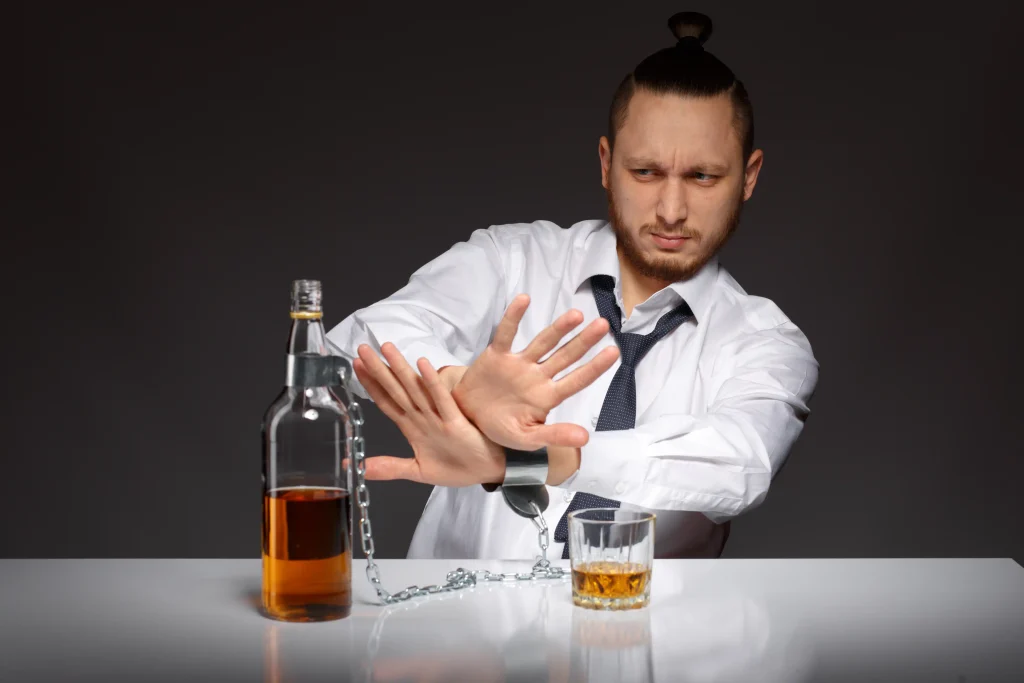
Some situations are not worth the risk. Skip alcohol entirely if any of these apply:
- You have just moved up to a higher dose for at least the first week.
- You are currently dealing with nausea, vomiting, diarrhoea or reflux from the medication.
- You have a history of pancreatitis, or you have been told you have gallstones.
- You have liver disease, or a history of heavy or dependent drinking.
- Your blood sugar has been unstable, or you have had a hypo recently.
- You take insulin or a sulphonylurea and have not discussed drinking with your prescriber.
- You are injecting that same day and still eating very little.
If you are unsure where you sit, ask your pharmacist. It is a 30-second conversation at the counter. If you or someone you know has issues with alcohol, help is available. You can reach out to Drinkaware at drinkaware.co.uk or contact NHS alcohol support services for confidential support.
Precautions and when to seek medical advice

Mounjaro is a prescription-only medicine, and alcohol advice is not one-size-fits-all. Speak to the pharmacist or prescriber managing your treatment before you make a plan around drinking.
Some symptoms need action the same day, not next week. Contact a healthcare professional urgently if you get any of these:
- Severe, constant stomach pain, especially pain that spreads to your back and does not settle. This can be a sign of pancreatitis. Stop the medication and get assessed.
- Vomiting you cannot stop, or being unable to keep fluids down.
- Signs of a hypo: sweating, shaking, confusion, pounding heart or feeling faint. Take fast-acting sugar straight away.
- Yellowing of the skin or eyes, or pain under your right ribs.
- Passing very little urine, dizziness on standing, or any other sign of serious dehydration.
Call 111 for advice, or 999 if symptoms are severe. Report any suspected side effect through the MHRA Yellow Card scheme.
FAQs
How long after a Mounjaro injection can I drink alcohol?
There is no official waiting time, and no point at which the drug has cleared your system. Tirzepatide is a weekly injection with a half-life of around five days, so it is always present.
What changes is how you feel. Side effects are often worst in the first 48 to 72 hours after a dose. So, most patients feel it’s better to wait two or three days for more comfort.
What is the best alcohol to drink while on tirzepatide?
A single shot of spirit with a sugar-free, non-fizzy mixer is easy on your stomach. It’s also light on calories, around 60 to 70 per glass.
Dry wine in a small 125ml glass is a reasonable second choice. Avoid cream liqueurs, cocktails, sweet mixers, and fizzy drinks. Carbonation can increase bloating and reflux.
Can I drink the night before my Mounjaro injection?
This is usually the better end of the week to drink, as side effects from your last dose have mostly settled. Give yourself a decent gap and drink plenty of water before you inject.
If you wake up dehydrated or feeling rough, it is sensible to delay the injection by a few hours rather than stack the two.
Does alcohol stop Mounjaro from working?
Alcohol does not block tirzepatide or stop it from acting on your appetite. What it does is work against the result you want, through extra calories and a pause in fat burning.
Light, occasional drinking is unlikely to derail your progress. Regular drinking will slow it down.
Will my hangovers feel worse on Mounjaro?
Many patients say yes. Slower stomach emptying, lower food intake and the medication’s own nausea all pile onto the usual hangover effects.
Dehydration is the main driver. Drinking water alongside alcohol, and again before bed, makes a real difference.
Can I drink if I take Mounjaro for weight loss and do not have diabetes?
Your hypo risk is much lower without insulin or a sulphonylurea in the mix, but it is not zero. The stomach, dehydration and pancreas concerns still apply in full.
The same guidance holds: small amounts, with food, well away from your injection day.
Does alcohol affect how Mounjaro is absorbed from the injection?
No. Tirzepatide is injected under the skin, so it bypasses your stomach and digestion completely. Alcohol does not change how much of the dose reaches your bloodstream.
The interaction is about shared side effects in the body, not absorption of the drug itself.
The bottom line
Alcohol is not banned on Mounjaro, but the honest answer is that the two do not pair well. Research on drinking while taking tirzepatide is limited, and what we do know points towards caution.
The main risks are low blood sugar, worse nausea and reflux, dehydration, and added strain on the pancreas. Alcohol also works directly against the weight loss you are paying for.
If you drink, keep it small, keep it with food, keep it away from injection day, and stay within 14 units a week. Stop and get medical advice if you develop severe stomach pain or cannot keep fluids down.
Everyone’s situation is different, so talk to the pharmacist managing your treatment before deciding what is right for you.

Dilip Modhvadia is the Co-Founder and Superintendent Pharmacist at Easy Pharmacy, with over 20 years of experience in community pharmacy. He holds an MPharm and is registered with the GPhC (Reg. No. 2050606). He leads Easy Pharmacy’s clinical services, providing professional, patient-focused care.