

Yes, but not quite in the way most people assume. Weight loss injections can help improve insulin resistance. They aid in weight loss, which reduces body fat. Less body fat helps your body respond better to insulin.
The medication itself does not treat insulin resistance directly. This guide covers how these treatments work, signs to watch for, UK prescribing rules, important safety checks, and lifestyle changes that can make a lasting impact.
Table of Contents
What Insulin Resistance Actually Is
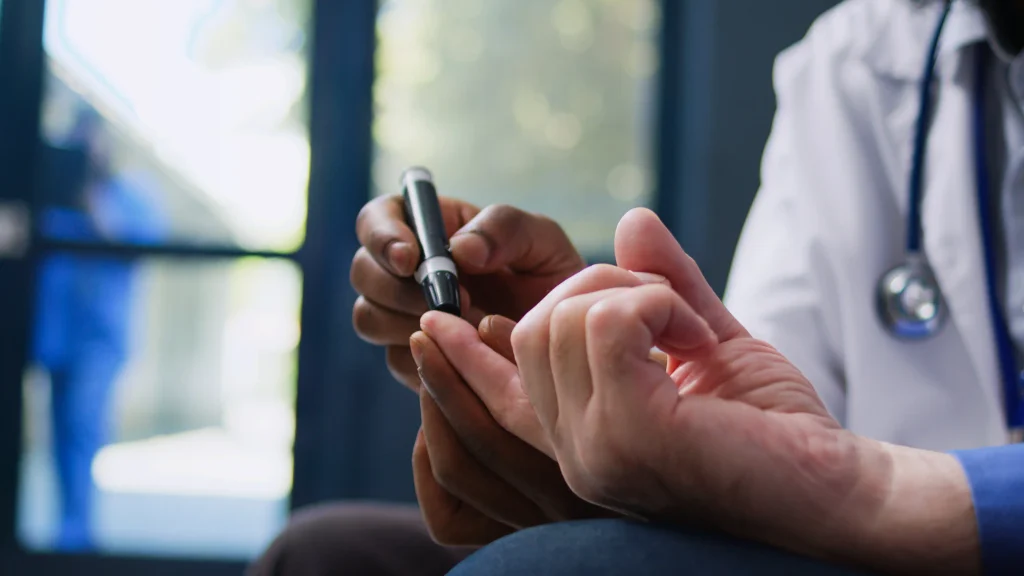
Insulin is a key hormone produced by the pancreas that helps move glucose from the blood into cells for energy or storage. When insulin resistance occurs, cells become less responsive, requiring more insulin to manage blood sugar.
The pancreas compensates by producing extra insulin, leading to hyperinsulinemia. Initially, blood sugar levels may seem normal, but over time, the pancreas can tire, producing less insulin. This results in rising blood sugar levels, progressing from prediabetes to type 2 diabetes and increasing cardiovascular risks.
Signs You Might Have It
Insulin resistance can creep in without obvious signs. However, some physical indicators and symptoms might hint at its presence:
- Darkened skin patches (acanthosis nigricans): These are velvety, dark areas on the skin. They often show up in folds like the neck, armpits, or groin.
- Skin tags: Small, harmless growths of skin often found on the neck, eyelids, or underarms.
- Persistent fatigue and low energy: Feeling tired regularly, particularly after carbohydrate-heavy meals.
- Frequent sugar or carbohydrate cravings: Sudden drops in energy leading to intense cravings for quick-digesting foods.
- Increased abdominal waist circumference: Carrying extra weight primarily around the midsection.
Because physical symptoms vary considerably between individuals and can overlap with other health conditions, self-diagnosis is unreliable. Definite evaluation requires clinical laboratory testing. Talk to your GP about getting an HbA1c test. This test shows your average blood sugar from the last two to three months. You might also consider a fasting insulin level test or an oral glucose tolerance test (OGTT) to check your metabolic health.
How the Injections Change Blood Sugar
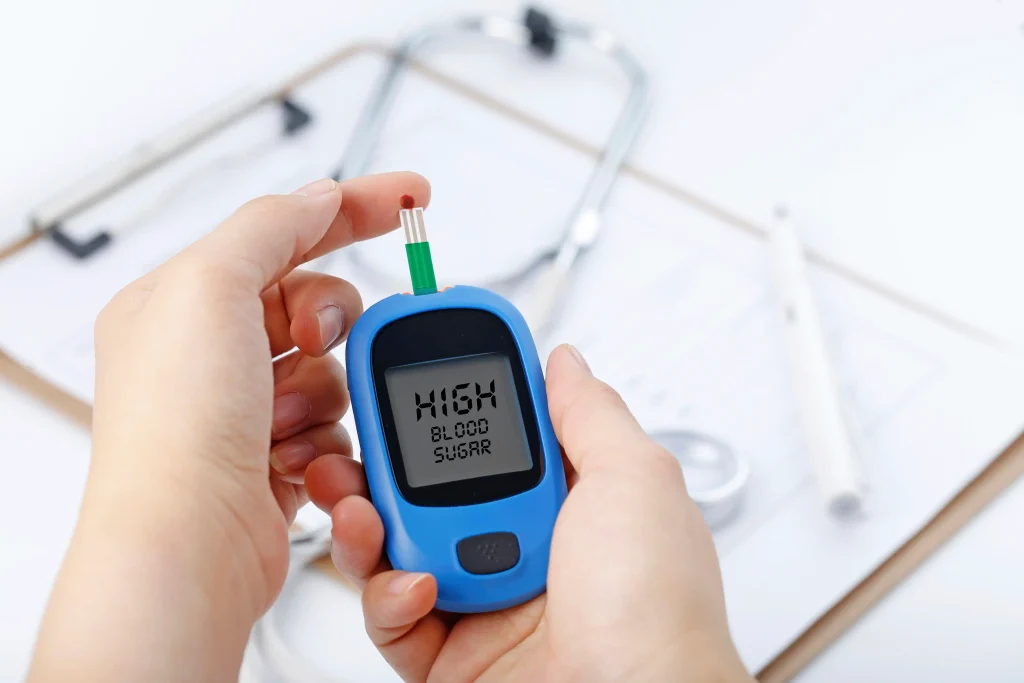
Modern weight loss injectables, like GLP-1 and dual GLP-1/GIP agonists, mimic gut hormones to aid weight loss in three ways:
- They increase feelings of fullness and reduce cravings, leading to smaller portions and lower blood sugar spikes.
- They slow gastric emptying, which flattens post-meal glucose spikes and prevents insulin surges.
- They boost glucose-dependent insulin secretion and lower glucagon release. This helps control blood sugar levels while minimising the risk of hypoglycaemia unless used alongside sulfonylureas or insulin.
These actions help stabilize blood sugar, easing metabolic strain on the body.
Weight Loss Is Doing Most of the Work
Incretin medications lower blood sugar for a short time. However, to reverse insulin resistance for good, you need to lose fat. Losing 5-10% of body weight improves insulin sensitivity, regardless of the method used.
Visceral fat, which surrounds organs, causes inflammation and disrupts insulin signaling. Reducing this fat boosts metabolic health and lab results. Often, this happens before you see visible changes.
For a 100 kg person, losing 5 kg (11 lbs) is a realistic goal that leads to significant health improvements.
Can Weight Loss Medication Help With Insulin Resistance on Its Own?
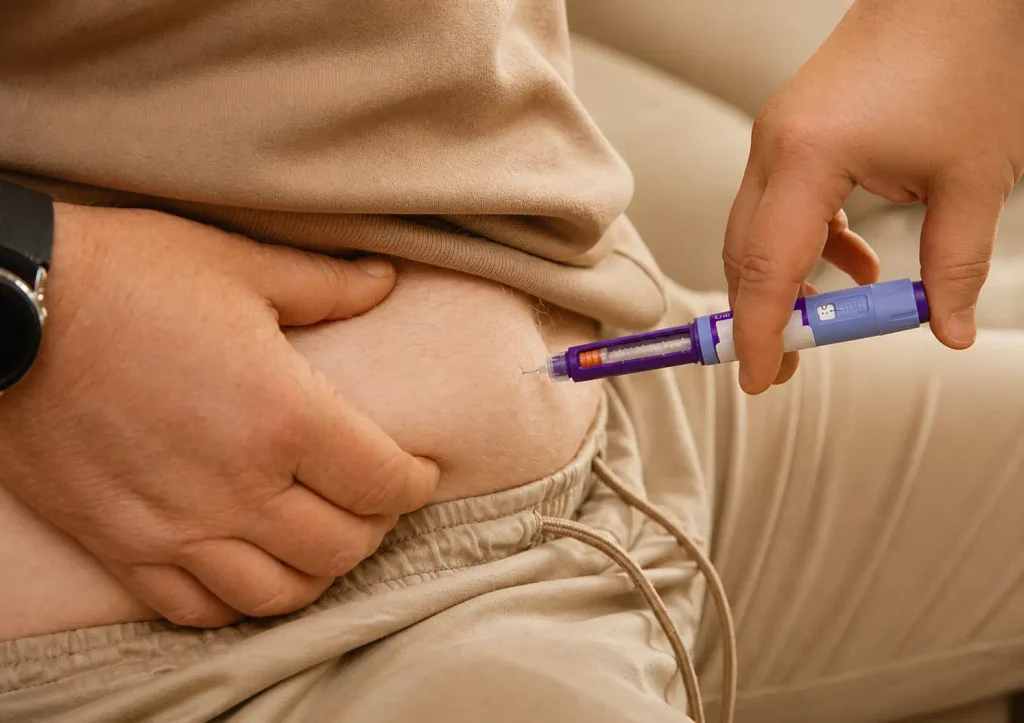
In short, no. Pharmacotherapy is a strong tool for change. However, it can’t permanently replace unsupportive daily habits. Long-term health improves when we keep fat stores low. This needs lifestyle changes and medical help.
Nutritional choices remain fundamental. A diet low in refined sugars and ultra-processed foods is key. Regular physical activity also helps. Together, they support better metabolism. Sleep and stress management are both vital. Just a few days of poor sleep or high cortisol can hurt insulin sensitivity. This happens even if you’re on medication.
Clinical studies show that stopping medication often leads to increased appetite. This can result in weight regain and may cause insulin resistance to return. Rather than viewing medication as a permanent quick fix, treat it as a supportive window of opportunity.
Use the time of less hunger and better fullness to create lasting eating habits. Add regular exercise and healthy sleep routines. These changes will help support your long-term metabolic health.
What the UK Rules Say
In the UK, weight loss injections are licensed for those with a BMI of 30 or above, or 27 with a weight-related health issue, including type 2 diabetes. They are not approved for insulin resistance alone.
Prescribers assess eligibility based on strict health criteria. For a BMI of 27 or higher, patients need a qualifying condition like hypertension or high cholesterol.
Prediabetes (HbA1c 42-47 mmol/mol) qualifies if the BMI requirement is met. PCOS and fatty liver relate to insulin resistance. However, they don’t get treatment unless you meet BMI and other health criteria.
A full clinical consultation is key before treatment. Guidelines need careful medical judgment. Online resources can help, but individual advice must come from a qualified professional.
Who Should Not Take These Medications (Contraindications)

Weight loss injections are not suitable for everyone. They should not be prescribed or used under the following circumstances:
- Pregnancy and breastfeeding (washout periods): These medications must not be used during pregnancy or breastfeeding. A washout period before attempting to conceive is required: at least 1 month for tirzepatide and 2 months for semaglutide.
- Personal or family history of thyroid cancer (absolute contraindication): Absolutely contraindicated if you or a family member has a history of medullary thyroid carcinoma (MTC) or Multiple Endocrine Neoplasia syndrome type 2 (MEN 2).
- History of pancreatitis (absolute contraindication): Absolutely contraindicated for patients with a personal history of acute or chronic pancreatitis.
- Eating disorders: Not recommended for those with a history of eating disorders like anorexia nervosa or bulimia nervosa.
- Type 1 diabetes: These treatments are not indicated for treating type 1 diabetes or diabetic ketoacidosis.
- Severe renal or hepatic impairment: Not recommended for patients with severe kidney or liver disease.
- Oral contraceptive interactions (tirzepatide): Delayed gastric emptying can reduce the efficacy of oral contraceptives. Patients taking tirzepatide should switch to a non-oral contraceptive method or add a barrier method for 4 weeks after starting treatment and for 4 weeks after each dose increase.
Other Things That Improve Insulin Sensitivity

Skeletal muscle is the main site for insulin-mediated glucose disposal, accommodating roughly 80% of postprandial glucose. Regular resistance training, such as weightlifting, resistance bands, or bodyweight exercises, builds lean muscle mass and stimulates GLUT4 glucose transporter translocation, allowing muscle cells to uptake glucose independently of insulin levels.
Light activity right after eating greatly reduces post-meal glucose spikes. A quick 10- to 15-minute walk activates leg muscles, helping them absorb glucose and stabilize blood sugar levels.
Diet matters too. Mixing complex carbs with fiber, healthy fats, and lean protein slows stomach emptying. This also delays glucose absorption. Also, getting seven to eight hours of quality sleep each night is crucial. Chronic sleep loss raises stress hormones like cortisol and growth hormone, which lower how well cells respond to insulin.
Frequently Asked Questions
Will my weight loss reverse insulin resistance permanently?
Weight loss boosts insulin sensitivity. To keep these benefits, you need long-term lifestyle changes and to maintain a healthy weight. If weight is regained, insulin resistance can return.
What is the impact of chronic weight cycling (yo-yo dieting) on pancreatic beta-cell reserve?
Frequent weight loss and regain can stress your metabolism. This might cause mild inflammation, which can speed up beta-cell exhaustion. As a result, keeping your blood sugar in check becomes harder over time.
How do continuous glucose monitors (CGMs) assist in managing insulin resistance?
CGMs give real-time updates on blood sugar levels after meals. They help people spot trigger foods and adjust their diets to avoid sudden insulin spikes.
Does a Mediterranean diet offer unique benefits for reducing visceral fat compared to a standard low-fat diet?
Yes, the Mediterranean diet’s high content of monounsaturated fats and polyphenols significantly reduces hepatic fat and systemic inflammation, often proving superior for targeted visceral fat reduction.
Speak to Our Pharmacy Team in Ashford
So yes, these medicines can improve insulin resistance, but through the weight rather than directly. Lose 5% to 10% and your blood sugar usually follows. Keep it off and the benefit stays. That is the honest shape of it, and it explains why food, movement and sleep still carry weight.
Blood sugar and body weight are really the same conversation, though they rarely get treated that way. If you have had an HbA1c result recently and are unsure what it means for you, bring it to us and we will talk it through.

Dilip Modhvadia is the Co-Founder and Superintendent Pharmacist at Easy Pharmacy, with over 20 years of experience in community pharmacy. He holds an MPharm and is registered with the GPhC (Reg. No. 2050606). He leads Easy Pharmacy’s clinical services, providing professional, patient-focused care.