

Most people start noticing Mounjaro working within the first week. Appetite drops, your urge to eat feels less urgent, and portions naturally shrink. Meaningful, measurable weight loss usually starts between weeks 4 and 6.
This happens when the drug stabilizes in your system, and the dose increases to 5 mg. By week 12, clinical trials show an average of 5% to 8% of starting body weight gone. After 72 weeks at the highest dose, participants lost an average of 20.9% of their body weight.
This article breaks down exactly what to expect at each stage, what affects your personal timeline, and why some people plateau early.
Read to the end before drawing conclusions about whether Mounjaro is working for you.
Table of Contents
How Quickly Does Mounjaro Start Working for Weight Loss?
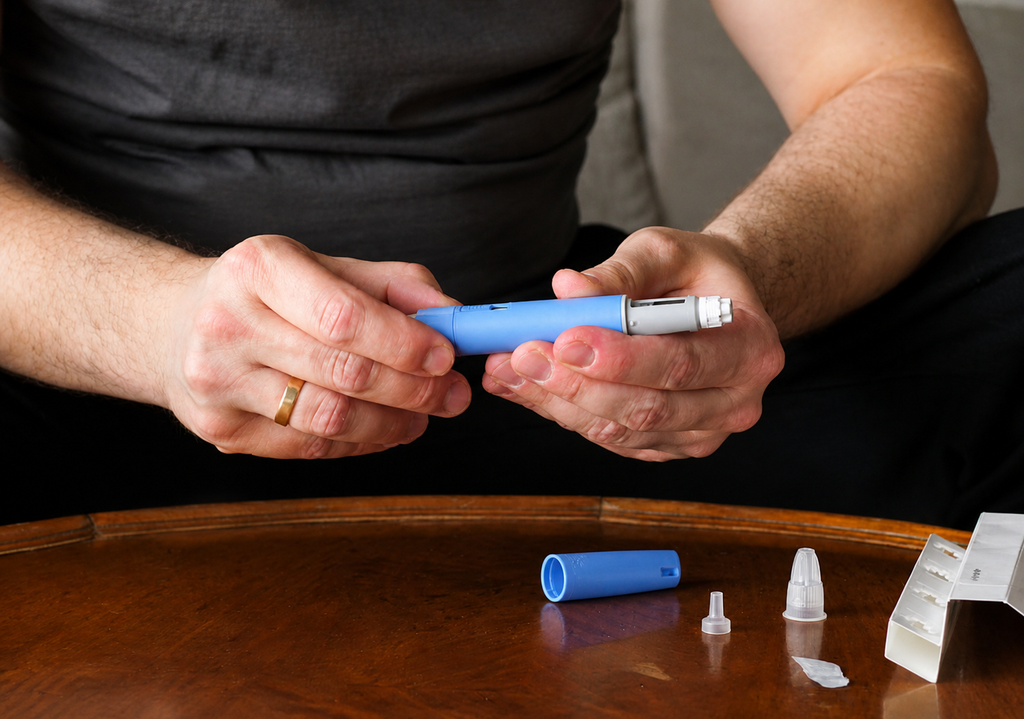
The medication can begin affecting appetite almost immediately. Most people see a clear drop in appetite within 24 to 72 hours after their first 2.5 mg injection. This includes a decrease in what researchers call “food noise,” or that constant chatter about the next meal.
But the scale? That takes longer. Weight loss becomes steady between weeks 4 and 6. This happens as the medication reaches a constant level in the bloodstream. The dose also increases to 5 mg after four weeks. The first month is about tolerance, not transformation. For people considering structured weight management support, the first month is about tolerance, not transformation.
Mounjaro Weight Loss Timeline: What to Expect

Phase 1: Weeks 1 to 4 (The Adjustment and Starting Dose)
The 2.5 mg starting dose is not a weight-loss dose. It is designed primarily to help your body adjust to tirzepatide while minimizing the risk of severe nausea. Think of it as a runway, not the flight itself.
That said, appetite suppression does kick in during this phase. Most people eat less simply because they feel full faster. Early weight loss of around 2 to 4 lbs is common, largely from water loss associated with glycogen depletion as calorie intake drops. Do not read too much into this number in either direction.
Phase 2: Weeks 5 to 12 (Dose Escalation and Visible Results)
This is where things become more obvious. The dose increases to 5 mg and potentially 7.5 mg, and its effects become more noticeable. Findings from the SURMOUNT-1 clinical trial show that participants lost between 5% and 8% of their starting body weight by week 12.
For someone starting at 16 stone, that is roughly 8 to 13 lbs. Clothes start fitting differently. Weekly loss becomes steadier and easier to track. Most people find this phase the most motivating.
Phase 3: Months 3 to 6 (Steady Progress and Peak Efficiency)
By month three, many patients are on 7.5 mg to 12.5 mg. The body has settled into a rhythm, and fat loss becomes more predictable. In the SURMOUNT-1 study, average total weight loss was 12% to 15% by month six. Some people lost even more.
This is also when the relationship between lifestyle and medication becomes clearest. People eating enough protein and staying active tend to lose a noticeably higher proportion of fat than lean mass.
Phase 4: Long-Term Results (6 to 72 Weeks)
The SURMOUNT-1 trial ran for 72 weeks and produced substantial weight-loss results for a nonsurgical treatment. Final results by maintenance dose:
- 5 mg: 15.0%
- 10 mg: 19.5%
- 15 mg: 20.9%
Weight loss does slow after 6 to 8 months. The body adapts, metabolic rate adjusts slightly, and progress becomes more gradual. This is normal, not a sign the drug has stopped working.
How Much Weight Can You Lose on Mounjaro?
At the highest dose of 15 mg, patients in clinical trials lost an average of 20.9% of their total body weight over 72 weeks. For context, participants in the placebo group lost around 3% over the same period.
More than half of the participants on the two highest doses lost 20% or more of their starting weight. That is a level of weight loss previously seen mainly with surgical intervention. It doesn’t happen overnight. But for patients who tolerate the medication well and maintain healthy habits, the results can be significant.
What Factors Influence How Fast You Lose Weight on Mounjaro?
Two people on the same dose, starting the same week, can have very different results by the third month. Here is why:
Starting metabolic health
People with severe insulin resistance usually lose weight more slowly at first. However, they often see bigger improvements in cardiometabolic markers during this time. The drug’s effects can affect both weight and cardiometabolic health simultaneously.
Final maintenance dose
The data is clear: higher doses produce greater weight loss. If you cannot tolerate escalation past 5 mg due to side effects, your outcome will be different from that of someone who reaches 15 mg.
Calorie intake
Mounjaro reduces appetite, but it does not override a significant calorie surplus. A consistent, modest deficit is still part of the equation.
Protein and resistance training
Protein matters more than most people expect, because it protects muscle while you lose fat. The right amount depends on your body weight and your target, so ask during your consultation rather than following a number you found online. Chicken, fish, eggs, Greek yogurt, and cottage cheese are practical sources.
Why Isn’t Mounjaro Helping Me Lose Weight Yet?
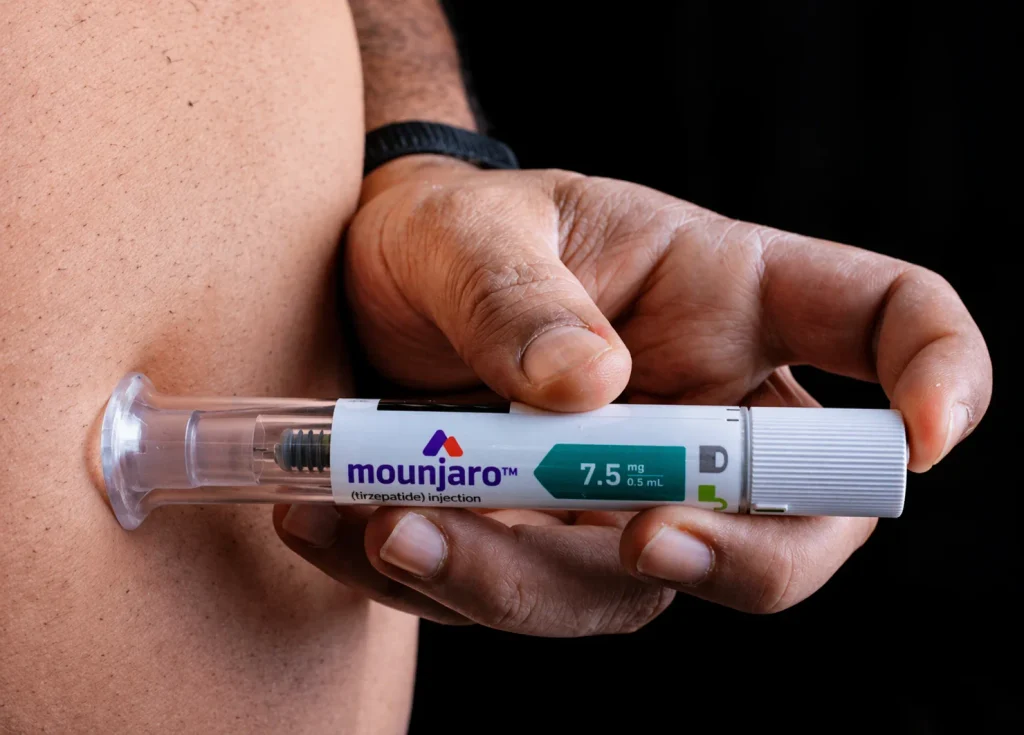
This is one of the most common frustrations, and it almost always comes down to timing. The 2.5 mg dose is not meant to produce weight loss. Its primary purpose is to help your gastrointestinal system adjust to the medication so you do not spend the first week unable to get off the sofa because of nausea.
Expecting visible fat loss at this stage is like expecting to sprint before you have finished warming up. Tirzepatide has a half-life of around five days. It takes roughly four weeks for the drug to reach a steady concentration in your bloodstream.
That is the point at which it begins working at full capacity for appetite regulation and metabolic effects. If you are in weeks one to four and the scale has barely moved, that is not a failure. That is pharmacology.
Eligibility and Safety Information
Mounjaro is not suitable for everyone. You should not use this medication if you are pregnant, planning to become pregnant, or breastfeeding. It is not safe for people with a personal or family history of medullary thyroid carcinoma or multiple endocrine neoplasia syndrome type 2.
Patients with severe kidney problems, liver issues, or a history of serious gastrointestinal disease should talk to a specialist about the risks. Be sure to share your relevant medical history during your consultation to ensure safety.
How to Get the Best Weight Loss Results From Mounjaro
A few habits make a meaningful difference to outcomes:
- Protein matters more than most people expect. Protein needs vary by body weight and goals, so consult a professional instead of using online numbers. Good sources include chicken, fish, eggs, Greek yogurt, and cottage cheese.
- Drink 2 to 2.5 liters of water daily. Constipation is one of the most common side effects of GLP-1 medications. Staying well hydrated can help relieve constipation.
- Do resistance training two to three times per week. You do not need a gym. Bodyweight squats, push-ups, and resistance band work all count. The goal is to preserve lean mass to help minimize the decrease in your metabolic rate as you lose weight.
- Do not skip meals. It sounds counterintuitive, but going too long without eating on Mounjaro can trigger nausea. If you take insulin or a sulfonylurea, consult your doctor regarding the risk of hypoglycemia.
How Long Should You Stay on Mounjaro for Weight Loss?
Obesity is a chronic metabolic disease, not a bad habit that needs correcting. Tirzepatide is licensed and designed as a long-term treatment, not a short-term course.
Tirzepatide requires ongoing management as discussed with your clinician. Patients generally stay on the medication to reach and maintain their target weight. Reassess treatment if a patient loses less than 5% of their starting weight.
Treatment should be reassessed six months after reaching the highest tolerated dose. This helps ensure that the medication provides the expected metabolic benefits for your body.
What Happens When You Stop Taking Mounjaro?

The SURMOUNT-4 trial followed patients who stopped tirzepatide after 36 weeks of treatment. The findings were striking but not surprising to anyone who understands the biology.
Patients who stopped treatment regained an average of 14% of their body weight over the following year, which was most of what they had lost. Those who continued lost a further 5.5%. Over the full 88 weeks, the group that continued treatment was down 25.3%, and the placebo group was down 9.9%.
Those who remained on tirzepatide continued to lose weight or maintain their results. You should involve a healthcare provider when deciding to stop. Don’t make this choice alone just because of a number on the scale.
Frequently Asked Questions
Can you lose weight on the 2.5 mg starting dose of Mounjaro?
Some early weight loss is possible at 2.5 mg, mostly from reduced appetite, but significant fat loss typically requires escalation to 5 mg or higher over several weeks.
What are the signs that Mounjaro is working?
Reduced hunger between meals, feeling satisfied with smaller portions, less interest in snacking, and a gradual but consistent decrease in weight from week five onward are the main indicators.
How much weight can you lose on Mounjaro in two weeks?
Most people lose between 1 and 4 lbs in the first two weeks, mainly water weight and glycogen stores. This is not representative of the long-term fat-loss rate.
Does Mounjaro work faster for some people than others?
Yes. People with higher starting body weight, better insulin sensitivity, and a higher maintenance dose usually make faster progress. However, long-term results can vary from person to person.
Is it possible to stop Mounjaro once you reach your target weight?
The decision to stop treatment is a clinical one made with your healthcare provider, based on your long-term health goals. Stopping is a clinical choice for managing disease. It isn’t just about withdrawing from medication.
Conclusion
Mounjaro uses two hormones to help you feel less hungry. It slows down how fast food leaves your stomach and helps your body handle glucose better. It is not a pill that burns fat overnight. The first month is adjustment, the next two are meaningful progress, and the real results build steadily from there over six months to a year or more.
If you are early in treatment and feeling impatient, that is understandable. But the process requires time to unfold. Rushing the process or drawing conclusions after only three weeks can be misleading.
If you’re thinking about Mounjaro for weight management, talk to a qualified pharmacist or prescriber. Discuss your BMI, medical history, and eligibility.
At Easy Pharmacy, our team will guide you through your options. We’ll help you see if tirzepatide is right for you.

Dilip Modhvadia is the Co-Founder and Superintendent Pharmacist at Easy Pharmacy, with over 20 years of experience in community pharmacy. He holds an MPharm and is registered with the GPhC (Reg. No. 2050606). He leads Easy Pharmacy’s clinical services, providing professional, patient-focused care.